
De las comunas freudomarxistas al loft neoyorquino
from Freudo-Marxist communes to the New York loft
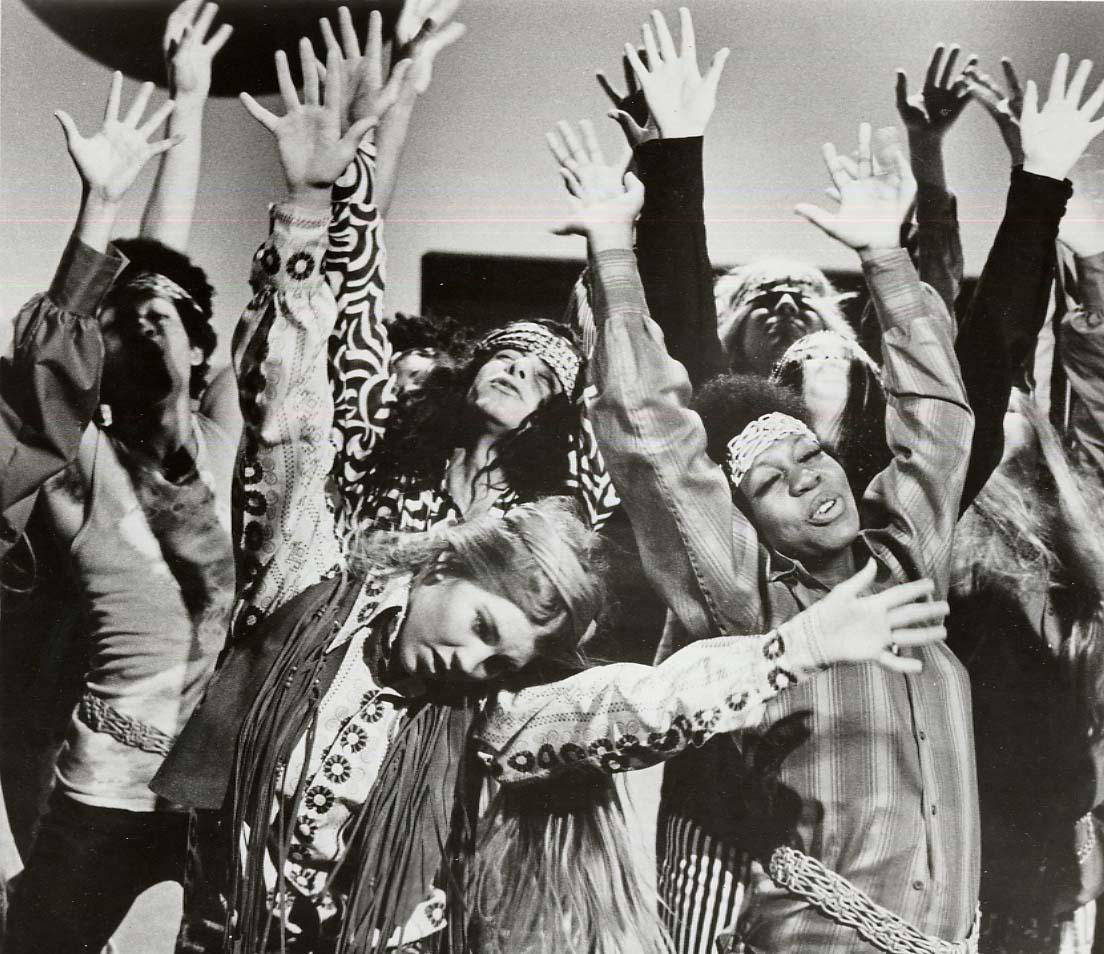
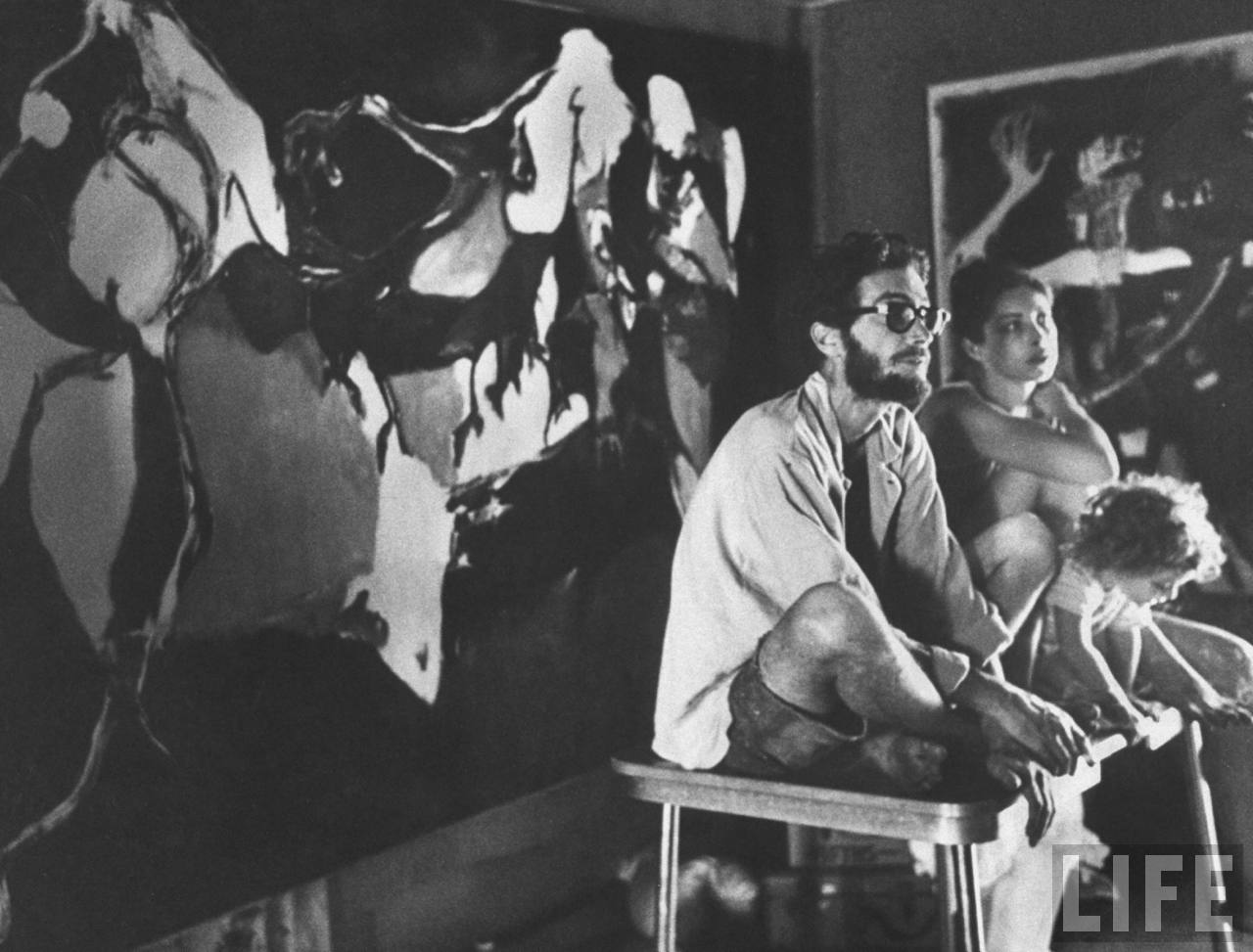
¿Vivir juntos? Nos remontamos a la década de 1940, cuando las comunas revolucionarias rusas surgieron con un estilo de vida liberal, conviviendo en masa y asimilando las nuevas formas de organización social que ya habían experimentado los primeros socialistas y algunas sectas religiosas puritanas. Sin embargo, no fue hasta veinte años después cuando se convirtió en la forma de vivienda de la generación beat estadounidense, formada principalmente por grupos de pintores en la ciudad de Nueva York.
Living together? We travel back to the 1940s, when the Russian revolutionary communes emerged with a liberal way of living, sharing life in large communities and absorbing the new forms of social organisation already experienced by the early socialists and some Puritan religious sects. But it was not until twenty years later when this way of living became the way of inhabiting of the American Beat Generation, formed mainly by groups of painters in New York City.
a Prefecture.
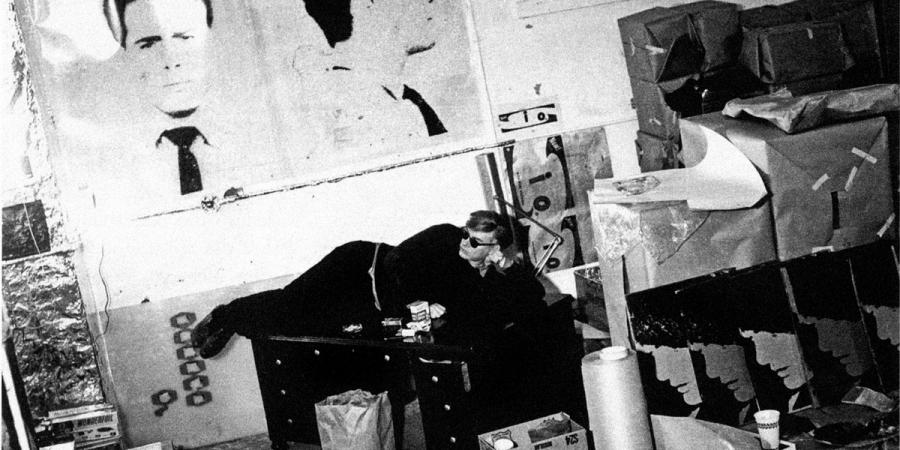
Este estilo de vida se trasladó a la vida profesional y a la forma de trabajar a través de una convivencia que fructificó mediante el trabajo colectivo, el intercambio y las reuniones sociales y fiestas de la época hasta altas horas de la madrugada.
This way of living was also transferred to the professional life and to the way of working. A coexistence that found its results through collective work, the exchange of ideas and the social meetings and parties of the time until the early hours of the morning.
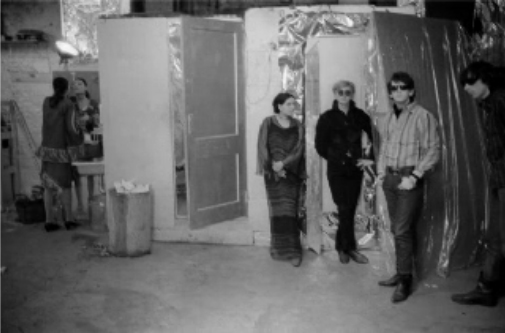
Como máximo referente de esta tipología, tanto laboral como vital, encontramos el puesto de trabajo que Andy Warhol generó durante los años 60 y del que tanto se puede hablar. Me refiero, sin duda, al estudio del propio artista: The Factory, ubicado en la ciudad de los rascacielos, en la calle 47 Este 231, desde 1963 hasta los cuatro años siguientes.
As the greatest reference of this way of working and living we find the workplace created by Andy Warhol during the 1960s, and undoubtedly one of the most talked-about creative spaces of the period. Without any doubt, I am referring to the artist’s own studio: The Factory, located in the city of skyscrapers, at 231 East 47th Street, from 1963 and during the following four years.
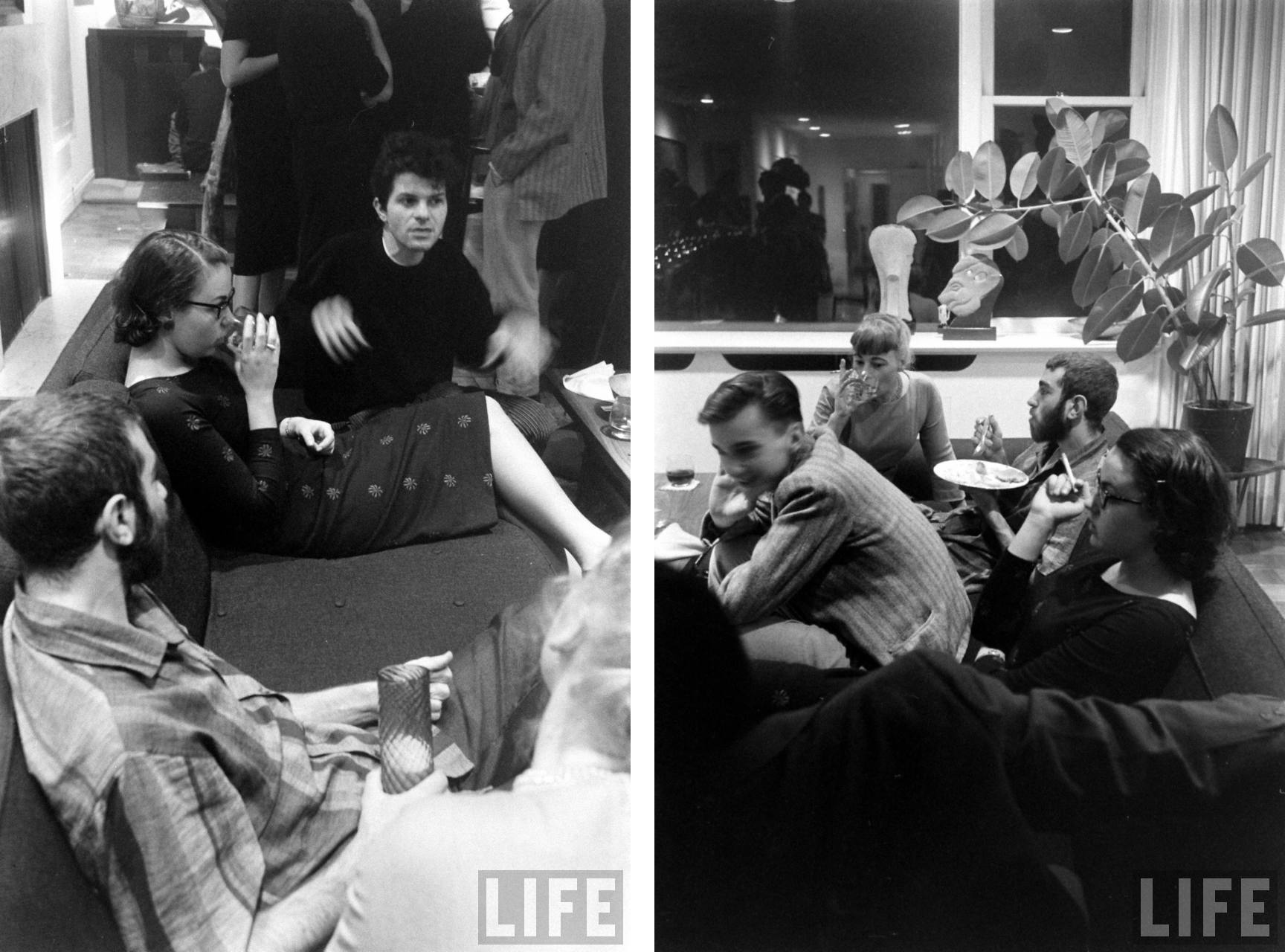
En este espacio creativo, Warhol se esforzó por dominar todas sus artes: pintura, publicidad, fotografía, diseño, música, cine… con una mirada sarcástica para observar, una imaginación singular, una curiosidad inagotable y un retorcido sentido del humor, todo ello bajo una personalidad pública muy reservada. Con todos estos ingredientes, Warhol creó una nueva forma de ver y experimentar el arte.
Inside this creative space, Warhol struggled to master all his arts: painting, advertising, photography, design, music and cinema. With a sarcastic way of observing things, a unique imagination, an endless curiosity and a twisted sense of humour, all hidden behind a very reserved public personality. With all these ingredients, Warhol created a completely new way of seeing and experiencing art.
Es en esta época cuando se empieza a hablar del «loft». Un concepto de vivienda que surgió a partir de la ocupación de almacenes y talleres industriales por parte de artistas de los años 60, quienes planeaban convertirlos en hogares y estudios.
It is during this period when people begin to talk about the loft. A housing concept born from the occupation of warehouses and industrial workshops by the artists of the 1960s, transforming them into both homes and studios.
Iñaki Ábalos, en su libro La buena vida, describe a la perfección el loft como «una forma alternativa de vivir, una forma de pensar, proyectar y vivir en nuestro tiempo». Un estilo de vida siempre vigente, pues después de 50 años, se ha convertido en la tipología moderna por excelencia. Vivir, pensar, proyectar y vivir son precisamente los valores que el centro promueve para crear cada uno de los espacios de vida de los jóvenes que lo integran.
Iñaki Ábalos, in his book The Good Life, perfectly describes the loft as «an alternative way of living, a way of thinking, designing and living in our time.» A way of living that remains completely current, becoming, after more than fifty years, the modern typology par excellence. Living, thinking, designing and living are precisely the values that the centre promotes in order to create each one of the living spaces for the young people who become part of it.
La fuerza motriz para alcanzar este nuevo estilo de vida surgió de la evasión de la familia, de la corrección, de la pareja estable, de los horarios preestablecidos, de la rutina y de cualquier tipo de imposición. Las personas que compartieron este estilo de vida se desarrollaron dentro de un mismo grupo social, donde no existe una estructura jerárquica que otorgue más o menos poder a sus miembros, dando rienda suelta a su creatividad en una casa abierta a los invitados para organizar fiestas y reuniones sociales que fomenten la comunidad que tanto anhelan. Siempre con el objetivo de trabajar en colectivo y priorizando otros aspectos como la privacidad, el orden o la comodidad.
The driving force behind this new way of living came from escaping the family, conventional life, stable relationships, fixed schedules, routine and every kind of imposition. The people sharing this lifestyle developed inside the same social group, where no hierarchical structure gives more or less power to any of its members, allowing creativity to grow inside a house always open to guests, organising parties and social gatherings that encouraged the community they were looking for. Always with the aim of working collectively, placing it above other aspects such as privacy, order or comfort.
En definitiva, el loft se concibe como una especie de casa-taller de grandes dimensiones. Normalmente, a finales del siglo XIX, estos espacios eran naves industriales o almacenes, ubicados en el centro de la ciudad, dentro de edificios de varias plantas. El colectivo que llegó a ocuparlos se apropió de ellos para transformar radicalmente su identidad y reflejar su personalidad, sin ningún programa preestablecido. La apropiación será el concepto fundamental que gira en torno al loft: sus habitantes se apropian del espacio, de las experiencias vividas colectivamente y de la propia ciudad al asentarse en zonas abandonadas.
After all, the loft is conceived as a large house-workshop. Originally, at the end of the nineteenth century, these spaces were industrial buildings or warehouses located in the city centre, inside multi-storey buildings. The collective occupying them made these spaces their own, radically transforming their identity and reflecting their personality without any previously established programme. Appropriation became the essential concept around the loft. Its inhabitants appropriate the space, the collective experiences lived inside it and even the city itself by settling in abandoned areas.
El desorden será otro de los aspectos más visibles, tanto formal como espacial, ya que cualquier espacio puede mutar y adaptarse a otras necesidades. Una vitalidad absorbida de tal manera que el loft nunca descansa y siempre está listo para la creatividad de sus habitantes, sin marginación ni principios ideológicos. Su resolución espacial carece de fragmentación jerárquica o privada. No existen divisiones, salvo que se conciba como un contenedor neutro. Con una estética protoindustrial y una materialidad reciclada y descontextualizada.
Disorder becomes another of its most visible aspects, both formally and spatially, as every space can change and adapt to different needs. A vitality absorbed in such a way that the loft never rests and is always ready for the creativity of its inhabitants, without exclusion and without any ideological principles. Its spatial organisation is resolved without any hierarchical or private fragmentation. There are no divisions, but a neutral container. With a proto-industrial aesthetic and a recycled, decontextualised materiality.
RELATED POST
No Comments